

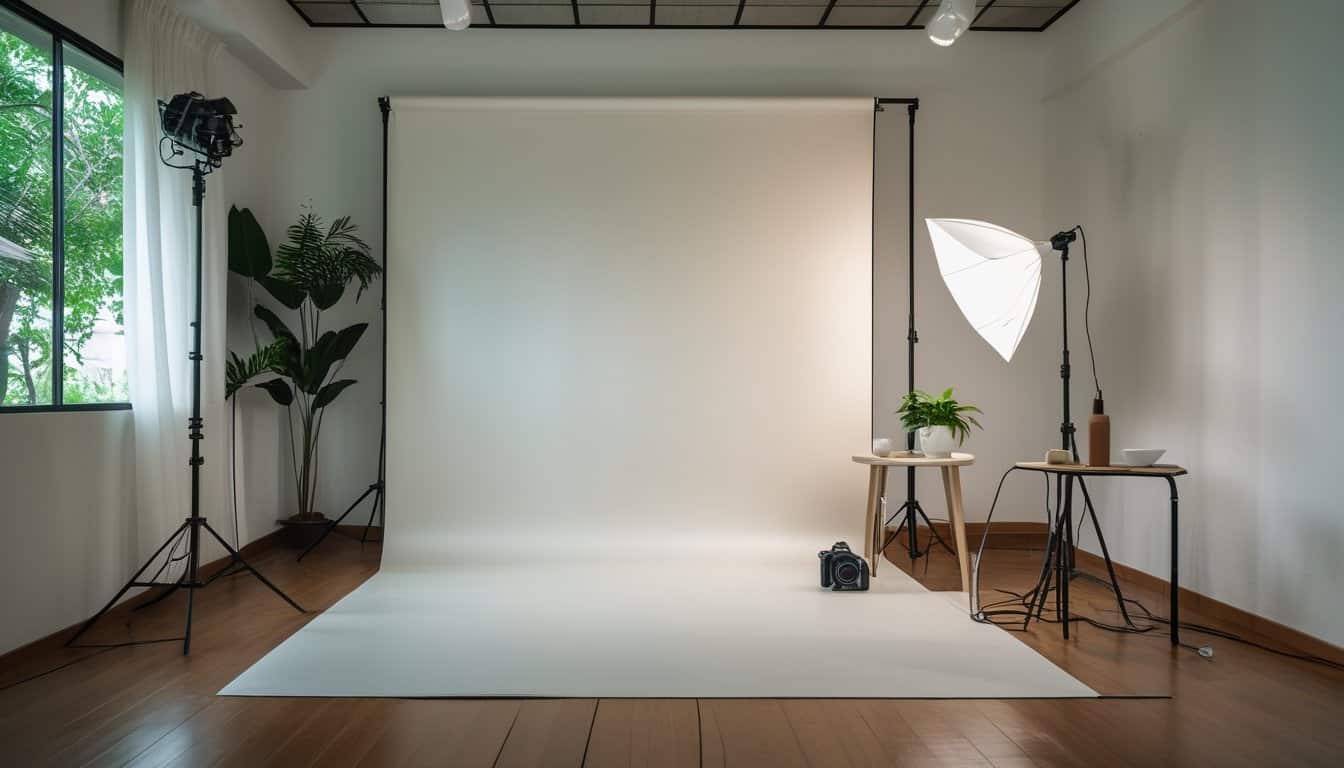
Myth 1: A studio for photography is only for professionals with expensive gear
You do not need a massive budget or high-end equipment to benefit from a studio for photography. A studio is simply a controlled space where you can manage light, background, and composition more easily than in a random room or outdoor location. That control helps you learn faster, because you can see exactly how small changes affect the final image. Related source: photo studio locations.
In fact, many beginners improve more quickly in a basic studio than outside because the results are more consistent. You can use natural window light, simple reflectors, or one affordable light source and still get clean, polished photos. The key is not owning the most expensive setup; it is understanding how to work with the space you have. Related source: Seek Photo.
What a beginner-friendly studio should have
A beginner studio does not need to be complicated. A plain backdrop, a clean surface, a chair or product table, and enough room to move around are often enough to start. If you can control clutter and light, you already have a good foundation for learning.
As you gain confidence, you can add more tools gradually. This approach helps you spend wisely and build skill at the same time, which is far better than buying gear you may not use.
Myth 2: Good studio photos happen because of camera settings alone
Camera settings matter, but they are only one part of the process. In a studio for photography, your light placement, subject position, background choice, and even small styling details often influence the photo more than the camera itself. Beginners sometimes blame their camera when the real issue is uneven lighting or a distracting setup.
If you want better studio photos, start by paying attention to the relationship between light and shadow. Move your subject a little closer to or farther from the light, change the angle, and compare the results. These simple experiments teach you more than memorising settings alone.
Why lighting control matters more than guessing
Studio photography becomes much easier when you can repeat the same conditions. That means you can take several shots, adjust one thing at a time, and learn what actually improves the image. This is one reason studios are so useful for practice: they turn photography into a clear learning process instead of trial and error in changing environments.
Once you understand this, you will stop chasing perfect settings and start building a repeatable method. That mindset is what makes your work look more intentional and professional.
Myth 3: You need advanced skills before using a studio for photography
You do not have to be an expert before stepping into a studio for photography. In fact, a studio is one of the best places to learn the basics because it removes many outside distractions. You can focus on one skill at a time, such as posing, lighting, framing, or background control, without worrying about weather or fast-changing surroundings.
For beginners, the studio is a safe place to make mistakes and improve quickly. You can review your images immediately, identify what feels off, and try again right away. That kind of instant feedback is very useful when you are building confidence.
Simple habits that help you improve faster
Start by taking test shots before your main session. Check whether the subject is too dark, too bright, or too close to the background. These small checks can save you a lot of frustration later.
Also, keep your setup notes. Write down what light position, backdrop, and camera angle gave you the best results. Over time, these notes become your own practical guide, and that is how you improve skill in a steady, beginner-friendly way.



Leave a Reply